
Industrial automation & process control

PLC controls built around your water process.

Plan new controls, modernize an existing system, troubleshoot faults, or connect water-treatment equipment to the wider plant architecture.

  • PLC logic and control narratives
  • HMI, alarms, trends, and operator workflow
  • SCADA and equipment integration
  • Testing, commissioning, and handover

The initial discussion identifies missing documentation and determines whether remote preparation, a site review, or a larger modernization scope is appropriate.
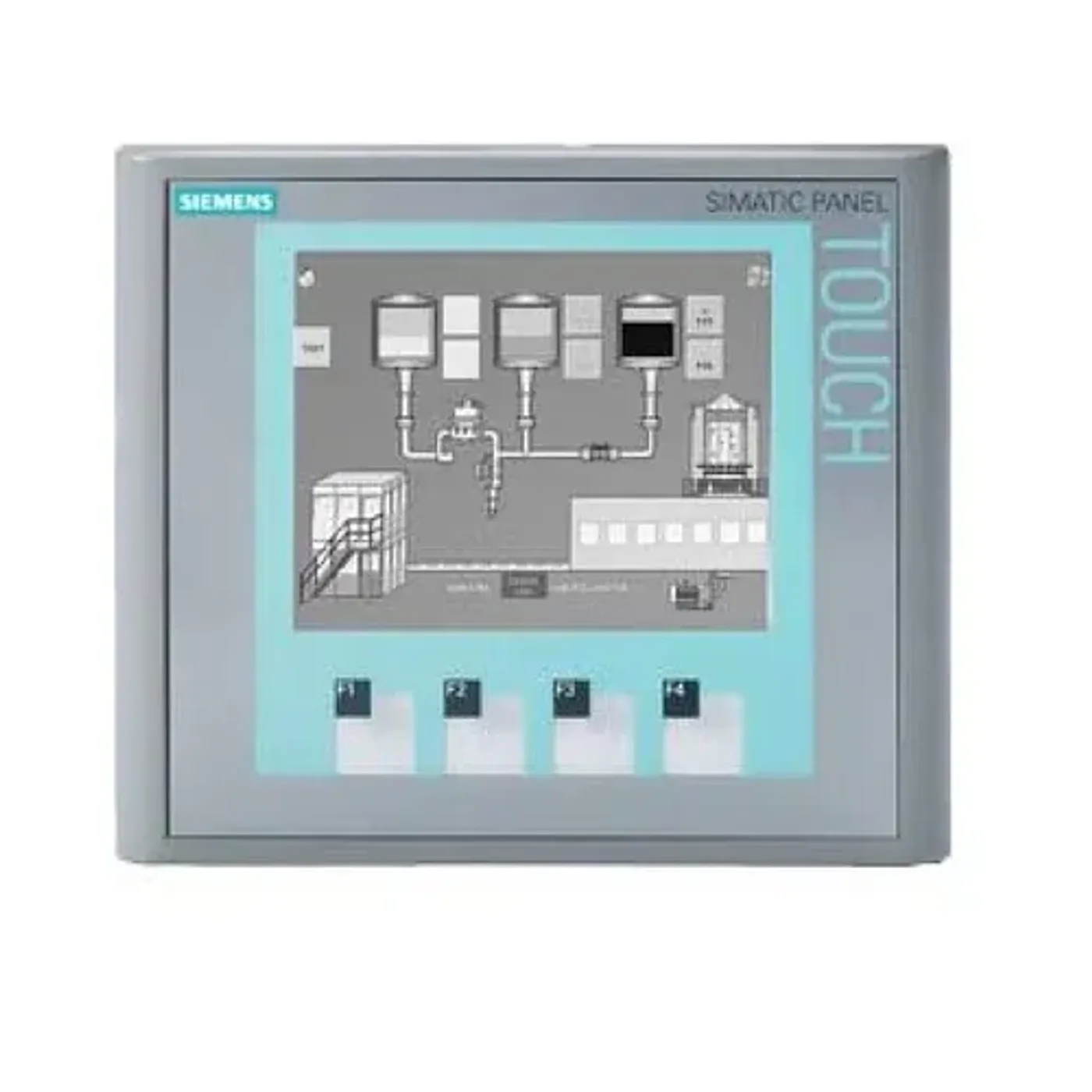
Industrial control panel used in a water-treatment application
Example control equipment. Hardware, architecture, and project boundaries are confirmed for each site.

Project fit

Four common reasons to bring controls into the conversation

The first step is to understand whether the core need is new implementation, migration, fault diagnosis, or integration.

New control system

Define control narratives, I/O, sequences, alarms, operator interfaces, communications, and test criteria for a new process.

Modernization & migration

Review existing hardware, software access, backups, compatibility, spare capacity, shutdown windows, and a safe migration path.

Troubleshooting

Document symptoms, fault history, operating conditions, recent changes, and the boundary between controls and process equipment.

Plant integration

Define required data points, protocols, ownership, cybersecurity constraints, testing responsibilities, and handoff to other systems.

Controls scope

One operating system, several connected disciplines

A reliable scope connects the process sequence, field devices, operator decisions, plant communications, testing, and documentation.

PLC logic

Sequences, interlocks, permissives, modes, alarms, equipment control, and process-specific logic.

HMI & operator workflow

Status, commands, setpoints, alarm context, trends, and screens organized around real operating tasks.

Communications & I/O

Instrumentation, remote I/O, drives, packaged equipment, supported protocols, and defined integration boundaries.

SCADA, data & reporting

Tags, trends, events, historian requirements, reports, and escalation paths based on the plant architecture.

Testing & commissioning

Test plans, simulations where appropriate, site acceptance, fallback steps, commissioning support, and issue tracking.

Prepare the first review

Useful project information

Send what is available. Gaps can be logged and resolved before implementation commitments are made.

  • Process objective and current operating sequence
  • PLC, HMI, drives, instruments, and network information
  • Available drawings, backups, source code, and passwords
  • Known faults, recent changes, and production impact
  • Required data exchange and third-party responsibilities
  • Shutdown, access, safety, validation, and commissioning constraints

Controls project discussion

Describe the process, current platform, and change you need.

Share the equipment, available documentation, known issues, integration requirements, and commissioning constraints. A specialist will help define the next review step.

  • Scope and documentation gaps
  • Integration and commissioning questions
  • A project-specific next step

Only the fields marked with * are required.

Secure verification loads when this form is in view.

Your information is used only to respond to this request. No obligation and no purchase required.

Delivery approach

Controls changes need a testable plan

Exact activities depend on platform access, site conditions, safety requirements, and the approved project boundary.

  1. 01

    Discover

    Review the process, current controls, available documentation, site constraints, and the business reason for the change.

  2. 02

    Define

    Agree on scope boundaries, control philosophy, interfaces, deliverables, test criteria, responsibilities, and change risks.

  3. 03

    Build & test

    Develop against the approved scope, document assumptions, and complete the agreed bench or offline testing before site work.

  4. 04

    Commission & hand over

    Execute the site plan, record issues, confirm acceptance criteria, and provide the documentation and operator handover included in scope.

Also planning the treatment equipment or installation?

Connect the controls scope to the wider commercial water project.

Commercial Water Treatment

Common questions

PLC & controls project questions

The information needed to evaluate upgrades, integration, troubleshooting, and commissioning work.

What should I provide for an initial controls review?
Share the process objective, existing PLC and HMI brands, available drawings, I/O information, communications, known faults, and the required commissioning window. Missing information can be identified during the first scope discussion.
Can an existing PLC or HMI be upgraded?
Often, but the answer depends on hardware condition, software access, backups, spare capacity, communications, safety requirements, and compatibility with the proposed changes. The existing system must be reviewed before an upgrade path is confirmed.
Do you integrate with SCADA and other plant systems?
Integration can be scoped for supported protocols and existing plant architecture. Required data points, ownership boundaries, cybersecurity requirements, and testing responsibilities are defined before implementation.
How is commissioning planned?
Commissioning planning covers test procedures, operating constraints, shutdown windows, fallback steps, responsible parties, documentation, and operator handover. The plan is specific to the process and site.
Can you troubleshoot an operating system?
Troubleshooting can be discussed when the controls platform, symptoms, site access, and safety conditions are known. The first review determines whether remote preparation, an on-site assessment, or a larger modernization scope is appropriate.