Scale on Fixtures
Chalky mineral buildup on faucets, shower glass, kettles, and other surfaces is a common hard-water signal.
Free GTA Water Softener Assessment
Tell our Markham team what you notice at home. We’ll confirm the likely capacity, review installation requirements, and explain the next-step pricing before you buy.
Start with your name and phone number. Final equipment and installation pricing is confirmed after the relevant home and plumbing details are reviewed.
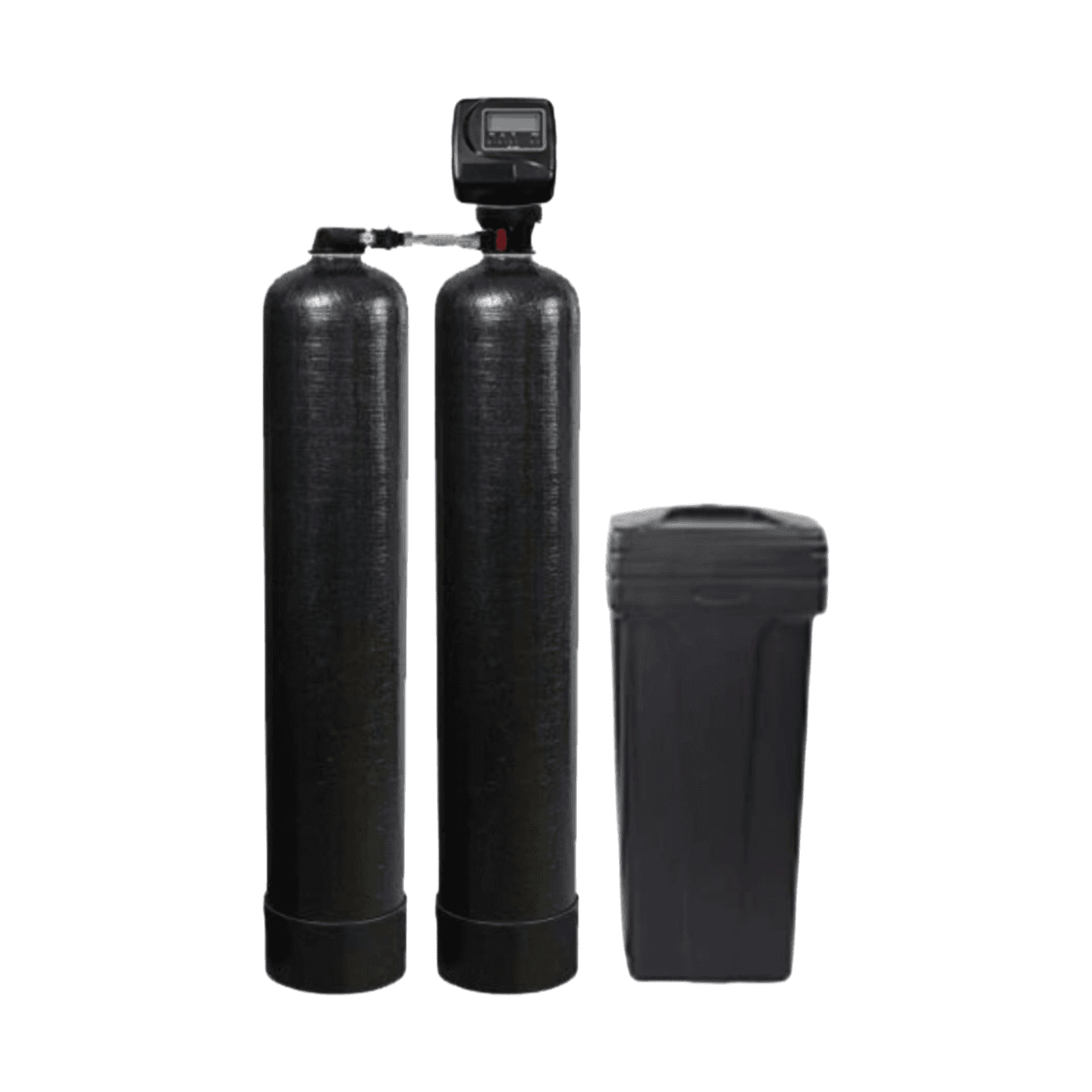
Product shown
Scale-Shield dual-tank water softener
Real product reference. Final sizing, configuration, and installation pricing depend on your home, water use, and plumbing access.
Markham Team · Serving the GTA
Share your name and phone number. We’ll follow up to confirm the home, water, and plumbing details needed to recommend a capacity and prepare clear equipment and installation pricing.
Only your first name and phone number are required. Add your main water concern if you already know it.
Confirm the Problem
These symptoms support a hardness conversation, but measured water conditions and household demand still determine the correct equipment.
Check local water hardnessChalky mineral buildup on faucets, shower glass, kettles, and other surfaces is a common hard-water signal.
Mineral residue can leave spotting and make soap and detergent more difficult to rinse cleanly.
Scale can accumulate in water heaters and other water-using equipment, increasing cleaning and service needs.
When the same symptoms appear across hot and cold fixtures, whole-home hardness is more likely than a single-tap issue.
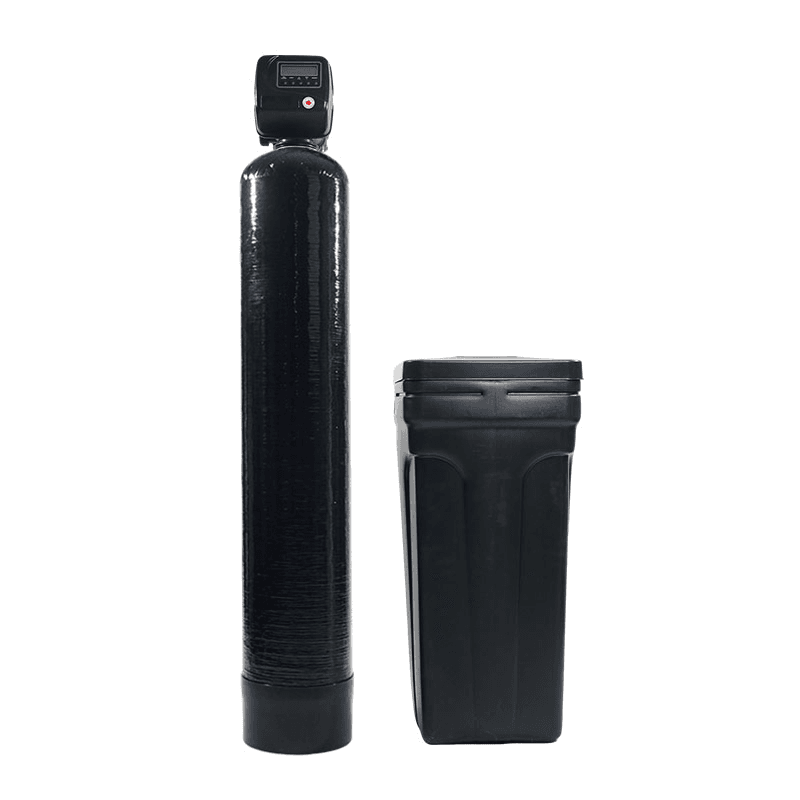
Real product reference. Tank size, control configuration, and installation requirements are confirmed for each property.
How Softening Works
A conventional water softener exchanges hardness minerals for sodium or potassium ions. That is a specific treatment function, not a complete answer to every water-quality concern.
Plan the full cost
Shop prices show equipment and may change by model or option. Installation is separate. A useful estimate makes these four parts explicit before you decide.
01
Compare the quoted model, capacity, control settings, and what the system actually treats. Household demand and measured hardness affect fit.
02
Ask whether plumbing changes, bypass, drain, power, startup, old-system removal, permits, and taxes are included or quoted separately.
03
Plan for salt or other media, regeneration water, any electricity, routine inspection, service, and eventual parts. Ask for estimates based on your own water use.
04
Check who provides service, what is covered, and which source-water or installation conditions could change the quote.
Savings depend on starting hardness, household use, and the equipment affected. There is no guaranteed payback period. Read the full ownership-cost guide.
Completed local project
This published installation includes a water softener, iron filter, and 20-inch carbon filter. It shows one real equipment arrangement, not an outcome guarantee or a standard package for every home.
View the installation caseCommon questions
What to confirm about hardness, sizing, treatment limits, and installation before choosing a system.
Compare Equipment Formats
Start with what the system treats, then compare upkeep, available space, water use and the tradeoffs that affect daily use.
01
02
03
04
Equipment prices come from the Water Doctor Shop; confirm the final price there. Installation is not included and is quoted separately after site conditions and system fit are confirmed.

Equipment from $1,499.99 CAD
View Product
Equipment from $2,099.99 CAD
View Product
Equipment from $2,499.99 CAD
View Product
Equipment from $3,599.99 CAD
View Product